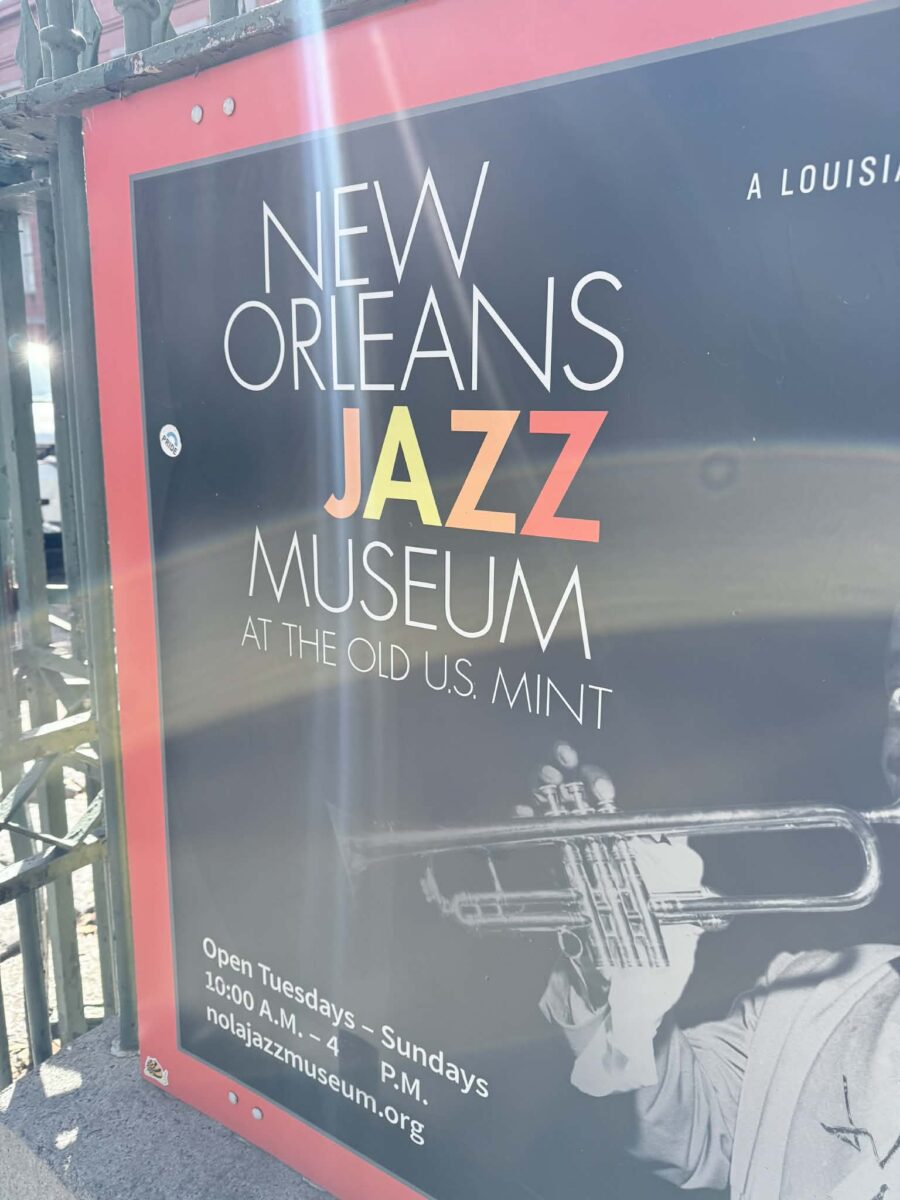
If you’re planning a trip to New Orleans and want to experience the heart of the city’s musical soul, the New Orleans Jazz Museum should be at the top of your list. Located in the historic Old U.S. Mint at the edge of the French Quarter, this museum tells the powerful story of jazz—where it began, who shaped it, and why it still matters today.
This SEO-friendly guide covers everything you need to know about the New Orleans Jazz Museum, from its history and exhibits to tips for visiting.
What Is the New Orleans Jazz Museum?
The New Orleans Jazz Museum is a world-class cultural institution dedicated to preserving and celebrating jazz music as a uniquely New Orleans creation. Through rare instruments, multimedia exhibits, recordings, and live performances, the museum highlights how jazz emerged from the city’s diverse communities and went on to influence music worldwide.
Unlike traditional museums, this one emphasizes listening, storytelling, and live music, making it an immersive experience rather than a passive one.
Where Is the New Orleans Jazz Museum Located?
The museum is housed in the Old U.S. Mint, a National Historic Landmark built in 1838. It sits at the downriver edge of the French Quarter, near the Mississippi River and just steps from:
- The French Market
- Riverwalk and Woldenberg Park
- Steamboat Natchez river cruises
- Jackson Square (a short walk upriver)
This location is significant because the Mississippi River played a crucial role in spreading jazz from New Orleans to the rest of the world.
Why the Old U.S. Mint Matters
The Old U.S. Mint once produced gold and silver coins for the United States. Today, it houses something even more valuable: America’s original music.
The building’s thick brick walls, high ceilings, and historic architecture provide a powerful contrast to the improvisational, expressive nature of jazz. The setting reinforces the idea that jazz is both timeless and ever-changing.
What You’ll See Inside the New Orleans Jazz Museum
Historic Jazz Instruments
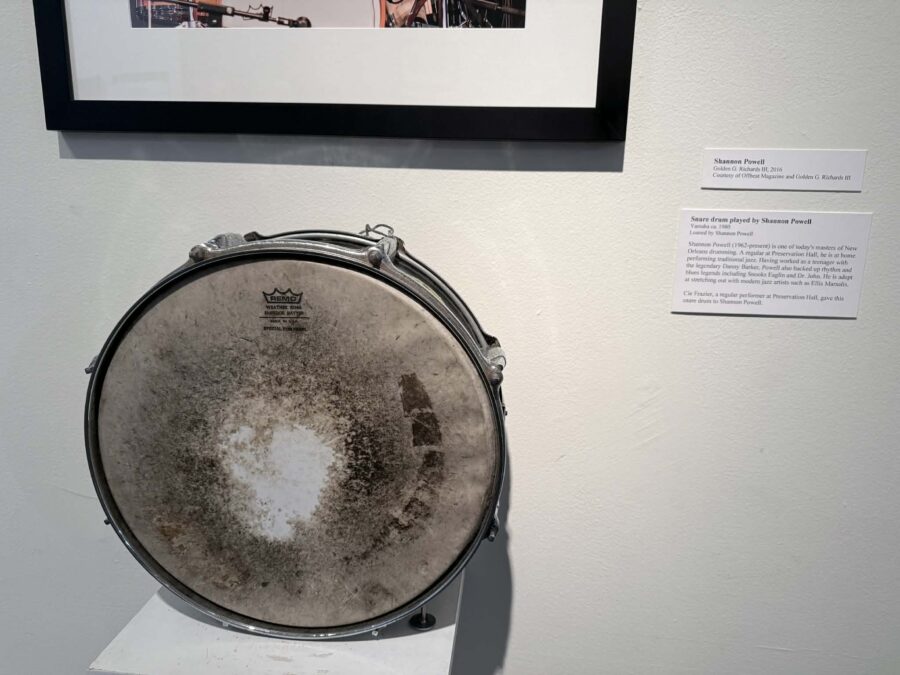
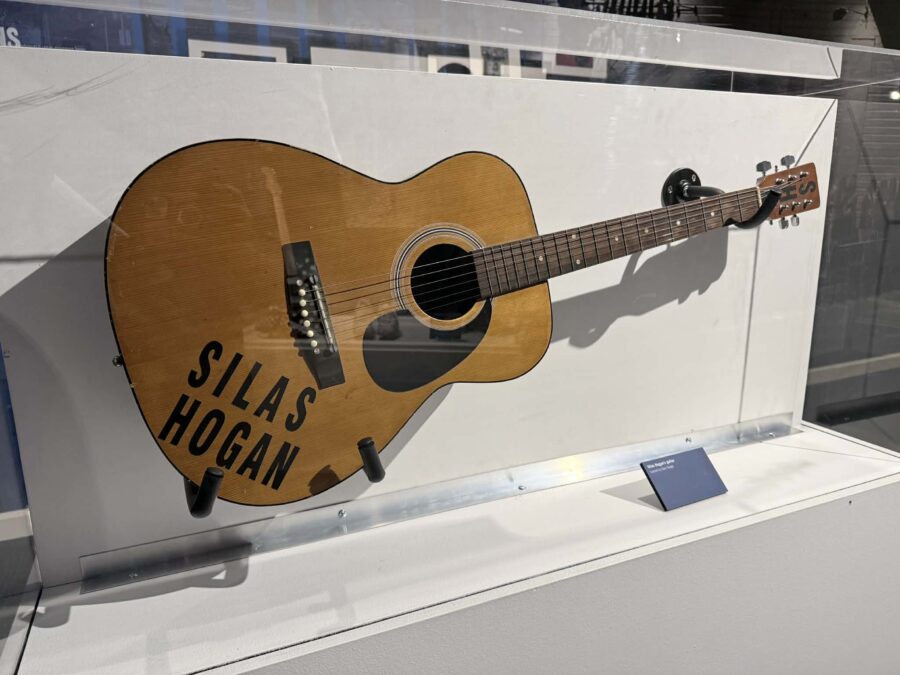
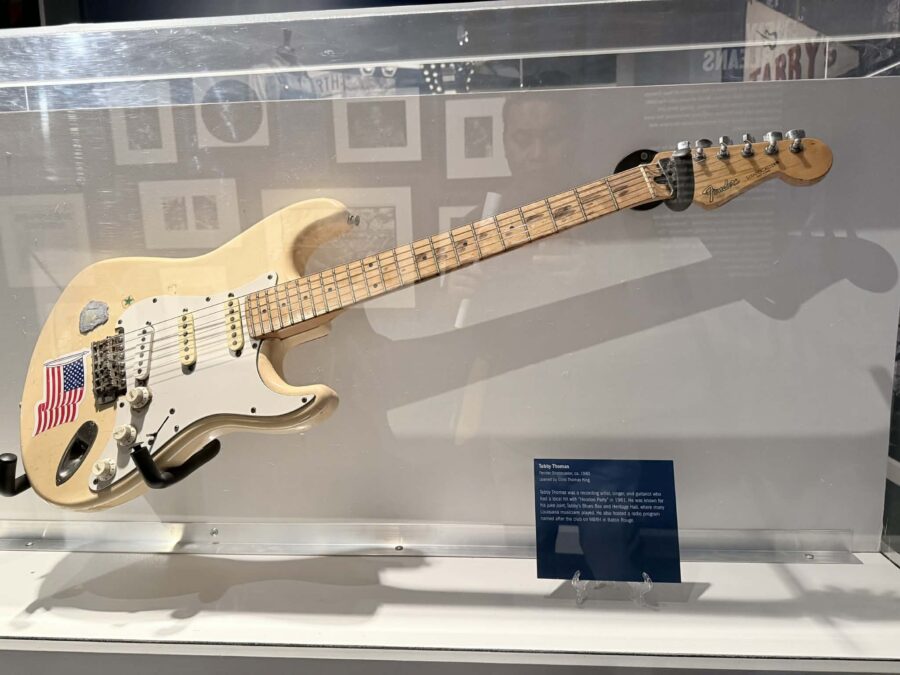
One of the museum’s highlights is its remarkable collection of historic instruments played by legendary jazz musicians, including:
- Louis Armstrong
- Sidney Bechet
- Jelly Roll Morton
- Kid Ory
These trumpets, clarinets, trombones, and drums show visible wear—proof that jazz was forged through constant performance, not perfection.
Interactive Listening Stations
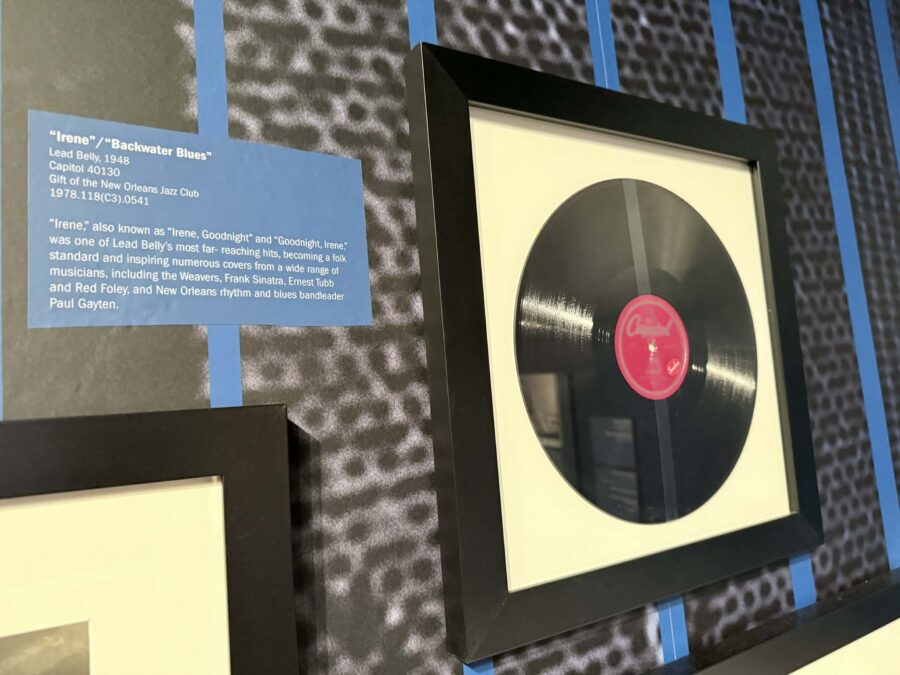
Visitors can listen to early jazz recordings, iconic solos, and evolving styles that trace the development of jazz over time. These stations help explain how:
- Collective improvisation became solo-driven jazz
- Blues and ragtime shaped early jazz rhythms
- New Orleans styles influenced swing, bebop, and modern jazz
Even visitors with no musical background can hear the innovation instantly.
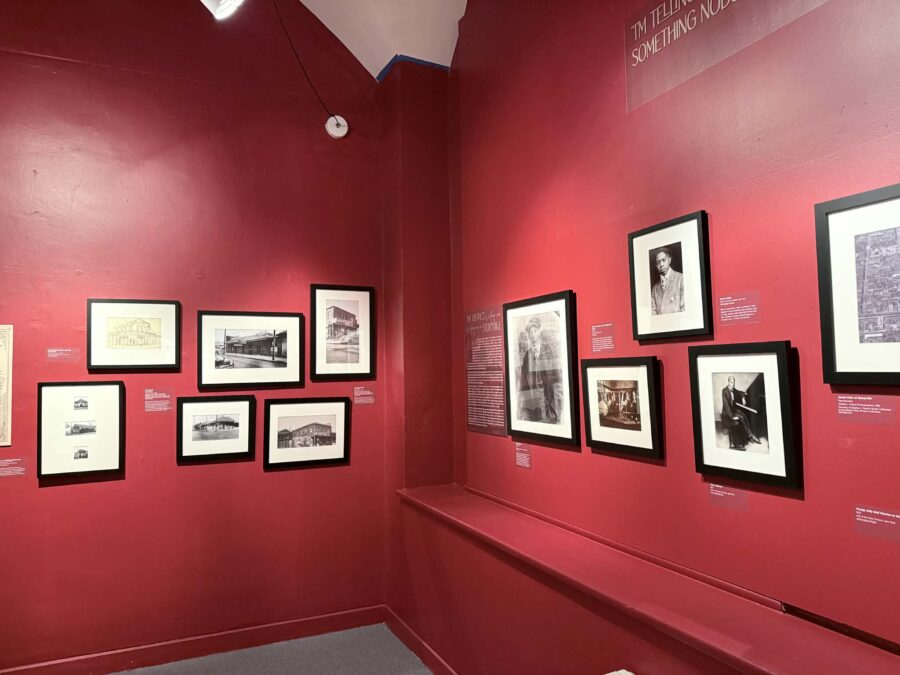
Exhibits on Jazz History and Culture
The museum explores jazz as a product of New Orleans’ unique cultural mix, including:
- African musical traditions
- Caribbean rhythms
- European harmony
- Brass band and parade culture
It also addresses the social realities that shaped jazz, including segregation, racial inequality, and economic hardship—without losing sight of the joy and creativity that define the music.
Live Music at the New Orleans Jazz Museum
One of the best reasons to visit the New Orleans Jazz Museum is its live music programming. The museum regularly hosts:
- Jazz concerts by local and touring musicians
- Educational workshops and lectures
- Youth music programs and jam sessions
Performances often take place indoors or outdoors with views of the Mississippi River, reinforcing jazz’s roots as community music meant to be shared.
Why the New Orleans Jazz Museum Is Unique
Unlike many music museums, the New Orleans Jazz Museum does not treat jazz as a finished chapter of history. Instead, it presents jazz as a living tradition that continues to evolve.
Key features that set it apart:
- Strong focus on New Orleans as the birthplace of jazz
- Integration of live performances
- Deep connection between music, place, and history
- Emphasis on listening, not just reading
This approach makes the museum meaningful for casual visitors, serious jazz fans, and musicians alike.
Tips for Visiting the New Orleans Jazz Museum
- Allow at least 1–2 hours to fully explore the exhibits
- Check the event schedule for live performances before you go
- Combine your visit with a walk along the French Market or Riverwalk
- Visit earlier in the day if you prefer a quieter experience
The museum is accessible, centrally located, and easy to pair with other French Quarter attractions.
Why the New Orleans Jazz Museum Is a Must-See Attraction
The New Orleans Jazz Museum is more than a tourist stop—it’s a cultural anchor. It explains how a marginalized community created one of the most influential music genres in the world and why that story still matters today.
By the time you leave, you won’t just understand jazz better—you’ll hear New Orleans differently. Every brass note drifting through the streets will carry deeper meaning, history, and emotion.
If you want to experience the true spirit of New Orleans, start where jazz began.
Watch the full walktrough inside the New Orleans Jazz Museum: