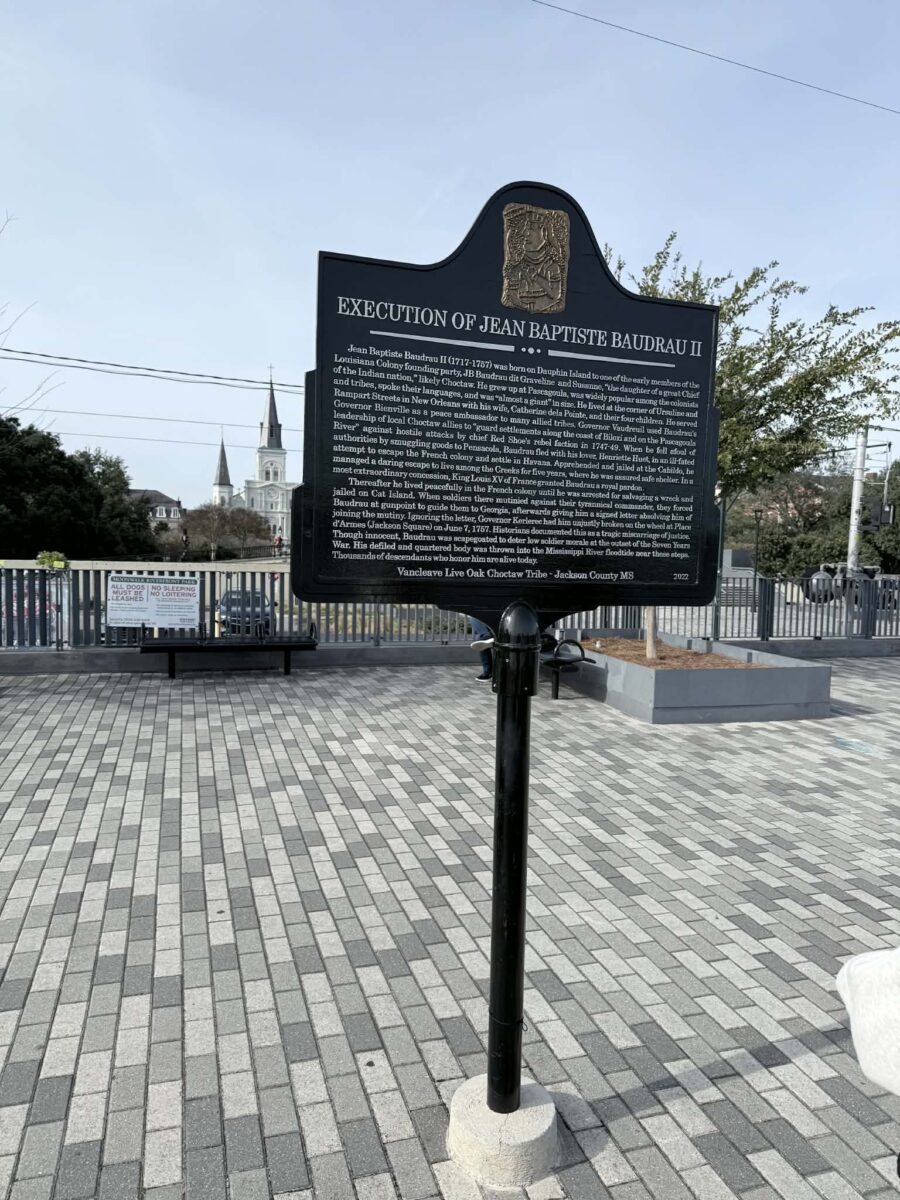
New Orleans is a city that doesn’t just sit beside the Mississippi River—it converses with it. Nowhere is this relationship more visible, more walkable, and more alive than along the French Quarter Riverwalk. Stretching along the river’s edge near the historic heart of the city, the Riverwalk is both a scenic promenade and a cultural corridor, blending history, food, music, commerce, and that unmistakable New Orleans rhythm.
Whether you’re a first-time visitor or a local rediscovering the city, the French Quarter Riverwalk offers a perspective on New Orleans that is calmer than Bourbon Street but just as deeply rooted in its soul.
A River That Built a City
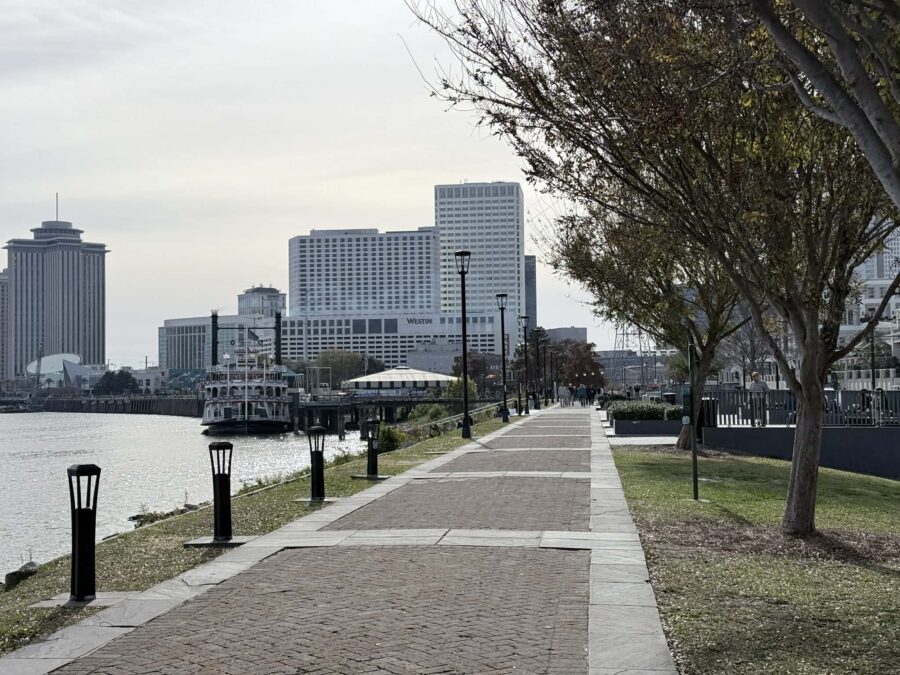
To understand the Riverwalk, you have to understand the Mississippi River. Long before jazz clubs, balconies, and beignets, this river was the reason New Orleans existed at all. It was a strategic port, a commercial artery, and a gateway between continents. Goods, people, and ideas flowed through this bend in the river, shaping a city unlike any other in North America.
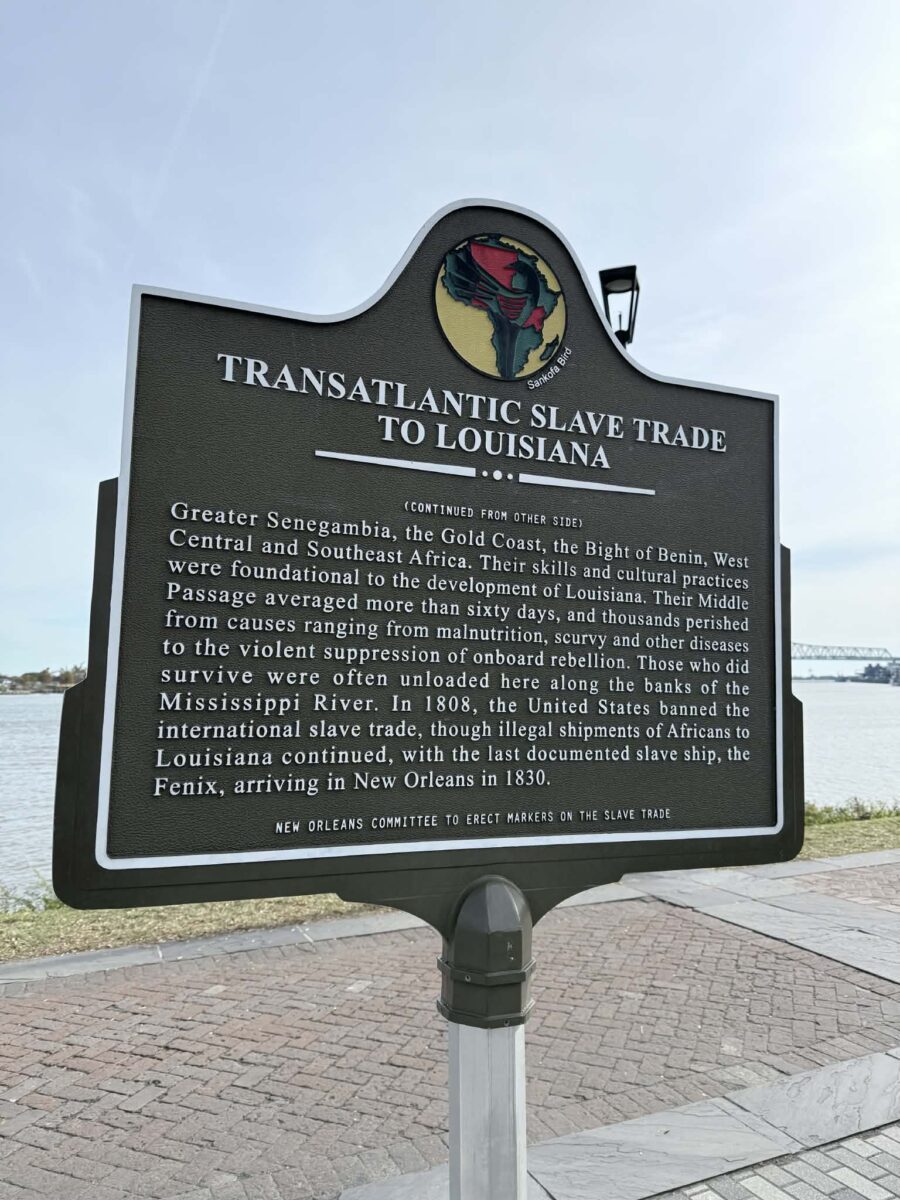
The Riverwalk follows this historic edge, allowing visitors to literally walk along the same waters that carried cotton, sugar, spices, enslaved people, immigrants, and musicians into the city’s past. Today, massive container ships and classic paddlewheelers still glide by, a reminder that the river is not just scenery—it’s a working, breathing presence.
Location and Layout: The Calm Beside the Quarter
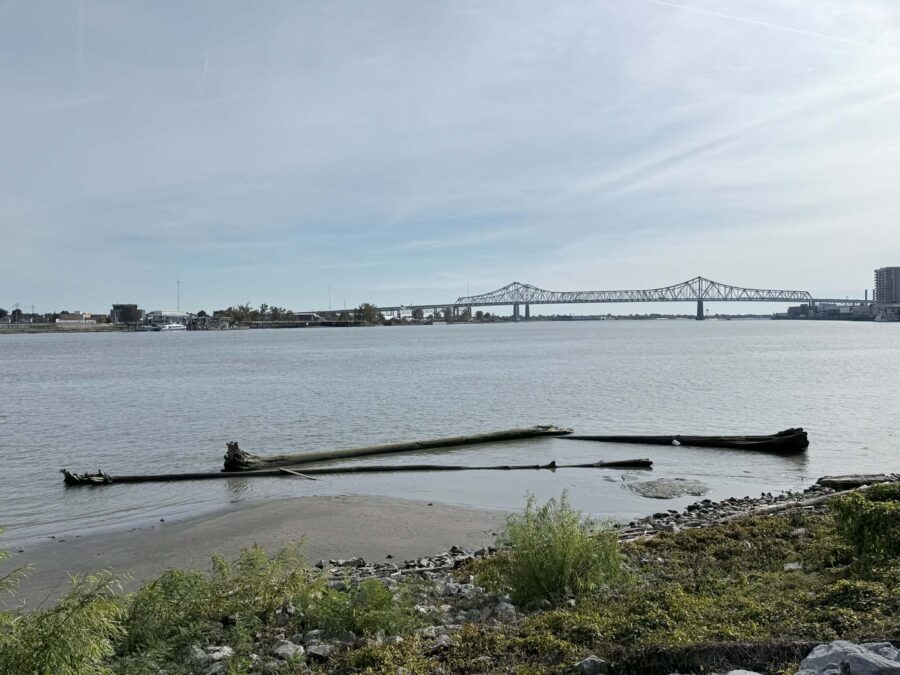
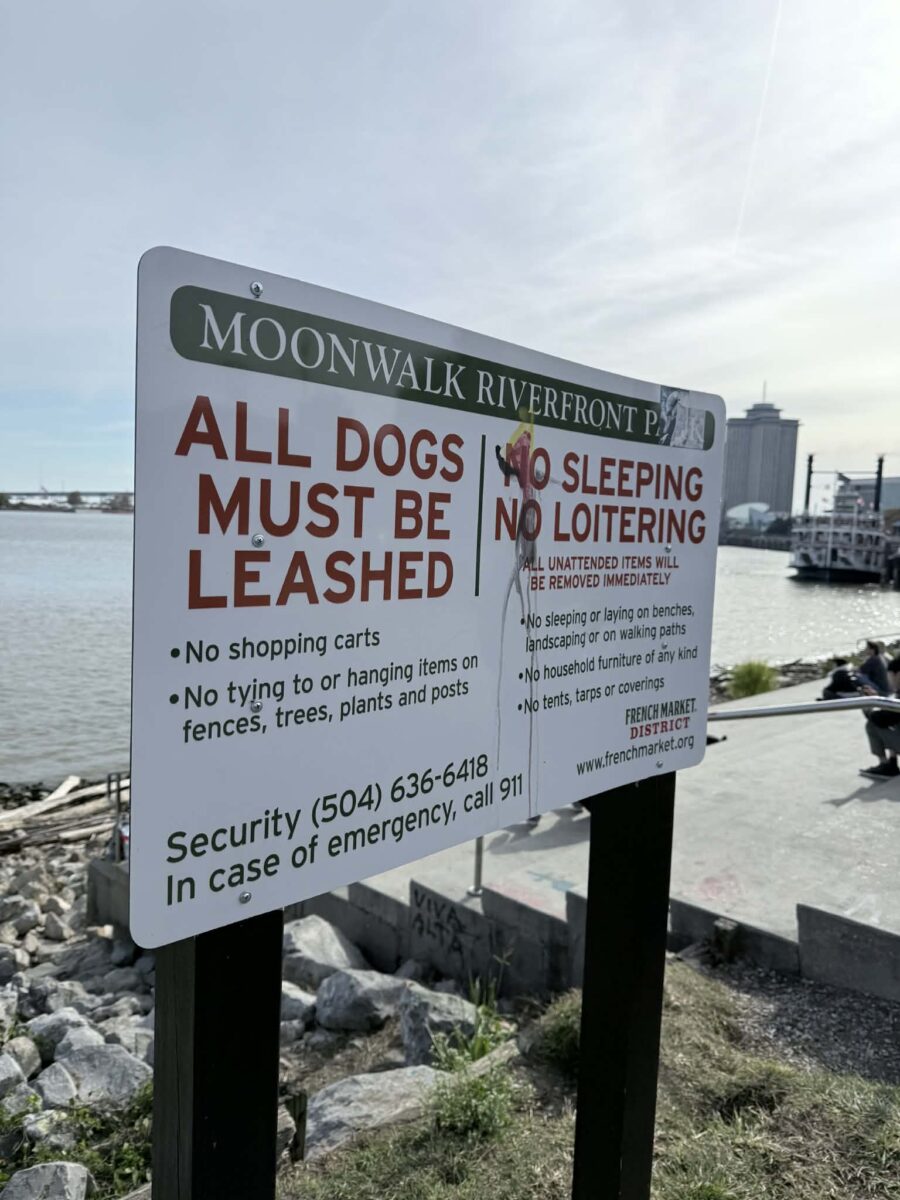
The French Quarter Riverwalk runs adjacent to the historic French Quarter, generally between Canal Street and the area near the French Market. It sits slightly removed from the narrow, bustling streets of the Quarter, offering open air, wide paths, and unobstructed views of the river.
Unlike the interior of the French Quarter, where buildings crowd together and sound echoes off brick and iron, the Riverwalk feels expansive. The Mississippi opens up in front of you, often catching sunlight in shimmering patterns, while river breezes cut through the humidity that defines so many New Orleans days.
This contrast—between dense urban history and open natural space—is one of the Riverwalk’s greatest charms.
The Riverwalk Marketplace: Shopping With a View
One of the defining features of the Riverwalk is the Riverwalk Outlets (often simply called “the Riverwalk”). This waterfront shopping center is seamlessly integrated into the promenade, offering a mix of local boutiques, national brands, and souvenir shops.
What makes shopping here different from a typical mall is the setting. Large windows and outdoor sections keep the river in constant view. You’re never far from the sound of passing ships or the sight of gulls hovering over the water.
Shops range from clothing and accessories to Louisiana-themed goods, making it a convenient place to pick up gifts without losing the sense of place. It’s commercial, yes—but unmistakably New Orleans.
Food Along the Water: Casual, Local, and Satisfying
Food is inseparable from New Orleans, and the Riverwalk delivers in its own relaxed way. While you won’t find the white-tablecloth Creole institutions here, you will find an approachable mix of local flavors and casual dining.
Expect:
- Po’boys and fried seafood that feel right at home beside the river
- Gumbo, jambalaya, and red beans & rice in grab-and-go form
- Coffee and sweets perfect for a slow stroll
Eating along the Riverwalk is less about ceremony and more about experience. You grab a bite, find a bench or railing, and watch the river move. It’s simple, unpretentious, and deeply satisfying—very much in the spirit of the city.
Street Performers and River Sounds
Like much of New Orleans, the Riverwalk has its own soundtrack. You may hear:
- A solo saxophonist playing blues as the sun sets
- A small brass group testing out a melody
- The deep, low horn of a passing ship
- The rhythmic slap of water against the levee
Street performers appear regularly, but unlike the intense energy of Jackson Square or Bourbon Street, performances here feel more spontaneous and less crowded. You can stop, listen, or simply let the music blend into your walk.
The Riverwalk as a Viewing Platform
One of the underrated joys of the French Quarter Riverwalk is simply watching the river. The Mississippi at New Orleans is wide, powerful, and constantly changing. Cargo ships move slowly, dwarfing everything around them. Riverboats add a nostalgic charm, especially when their calliope music drifts across the water.
Sunsets here are particularly memorable. The sky often turns dramatic shades of orange, pink, and purple, reflected in the river’s surface. As daylight fades, city lights come on, and the Quarter begins to glow behind you.
For photographers, painters, or anyone who enjoys quiet observation, the Riverwalk offers endless inspiration.
A Gateway to Nearby Attractions
The French Quarter Riverwalk also serves as a connector to several nearby landmarks:
- Canal Street, where uptown and downtown meet
- The French Market, a historic open-air market just downriver
- Steamboat Natchez and river cruises, departing nearby
- The Audubon Aquarium and Woldenberg Park, both within walking distance
This makes the Riverwalk not just a destination, but a pleasant route between experiences. It’s often faster—and far more enjoyable—to walk along the river than through busy streets.
A Different Side of the French Quarter
The French Quarter is often defined by its nightlife, crowds, and intensity. The Riverwalk reveals another side of the neighborhood—one that is reflective, spacious, and connected to nature.
It’s where:
- Visitors take a break from sensory overload
- Couples slow down and talk
- Locals go for an evening walk
- The city feels less like a party and more like a place
In many ways, the Riverwalk balances the Quarter. It reminds you that New Orleans is not only about celebration, but also about flow—of water, of culture, of time.
Why the French Quarter Riverwalk Matters
The French Quarter Riverwalk is not a single attraction; it’s an experience of continuity. It ties the city’s past to its present, commerce to culture, movement to stillness. It shows New Orleans as a river city first and foremost—shaped by currents, trade, music, and resilience.
If you want to understand New Orleans beyond the stereotypes, take a walk along the river. Let the Mississippi do what it has always done: tell the story of the city as it moves steadily by.
Sometimes, the best way to know New Orleans is simply to walk beside the water and listen.
Watch the full video of the walk here: