The New Orleans French Market is more than a place to shop or eat—it is a living reflection of the city itself. Colorful, noisy, fragrant, and full of stories, the French Market stretches along the edge of the French Quarter, connecting the Mississippi River to centuries of trade, tradition, and everyday life. For locals and visitors alike, it represents the rhythm of New Orleans in its most authentic form.
As the oldest continuously operating public market in the United States, the French Market is not frozen in time. Instead, it evolves while remaining deeply rooted in the past, balancing history with the vibrant energy that defines New Orleans.
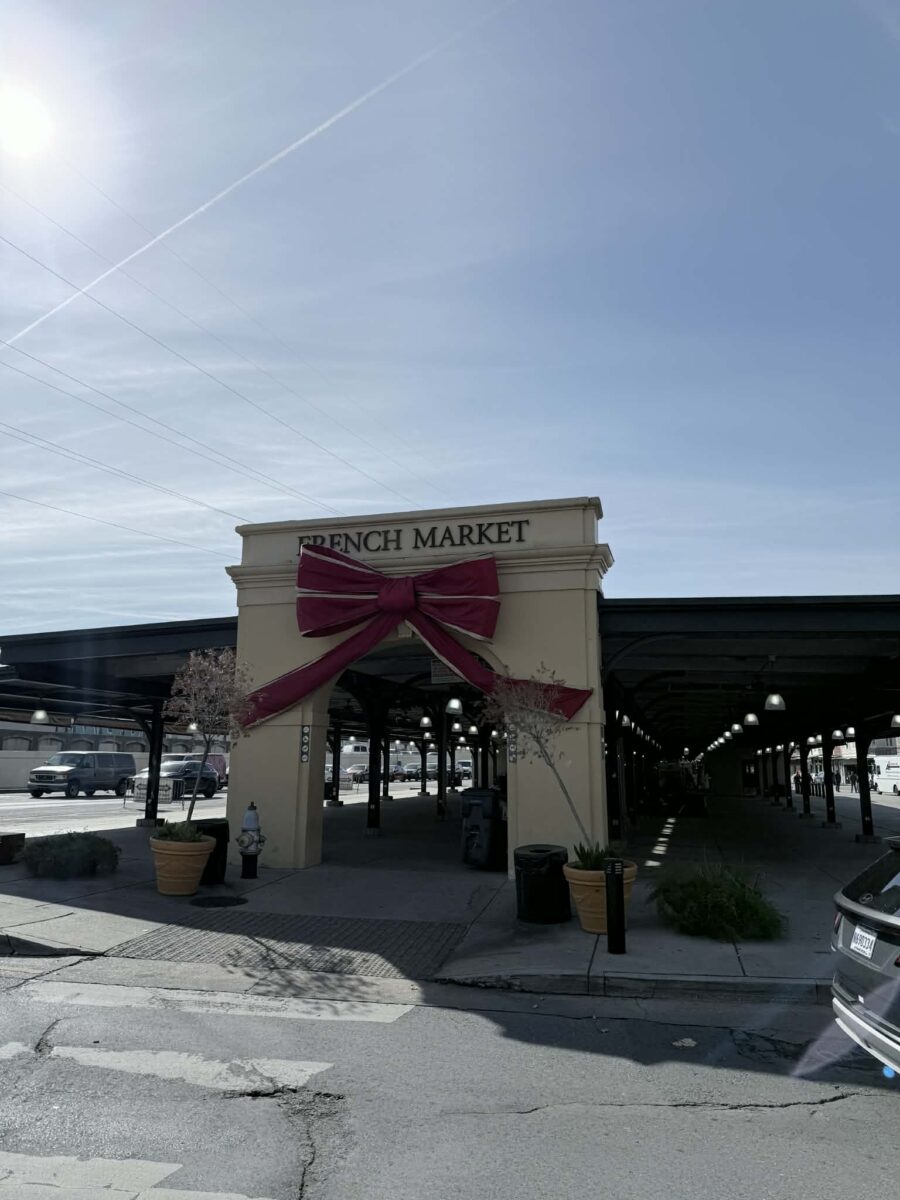
A Market Born From the River
The origins of the New Orleans French Market date back to 1791, when the Mississippi River was the city’s lifeline. Farmers, fishermen, trappers, and merchants arrived by boat to sell their goods along the riverbank. The market quickly became the center of commerce and social interaction in the growing city.
Because New Orleans was a crossroads for cultures—French, Spanish, African, Caribbean, Native American, and later Italian and German—the market reflected that diversity from the beginning. Languages mixed, foods blended, and customs were shared, making the French Market one of the earliest spaces where New Orleans’ unique identity took shape.

Location: The Heart of the French Quarter
The French Market runs along the downriver side of the French Quarter, beginning near Jackson Square and extending toward the Old U.S. Mint. Its open-air design allows breezes from the Mississippi River to flow through the stalls, offering a welcome break from the narrow streets and dense buildings nearby.
The market’s location makes it easy to pair with nearby attractions:
- Jackson Square and St. Louis Cathedral
- The New Orleans Jazz Museum
- Riverwalk and Woldenberg Park
- Steamboat Natchez river cruises
This positioning reinforces the French Market’s historic role as a gateway between the river and the city.
What You’ll Find at the French Market
Local Food and Flavors
Food is at the heart of the New Orleans French Market. Vendors serve a wide range of local specialties, often prepared fresh and meant to be enjoyed on the spot.
Popular offerings include:
- Fresh seafood and fried shrimp
- Crawfish, especially during season
- Po’boys and hot sausage
- Jambalaya and red beans & rice
- Beignets and sweet treats
- Fresh fruit, spices, and seasonings
The smells alone—spices, sugar, frying seafood—create an experience that is unmistakably New Orleans.
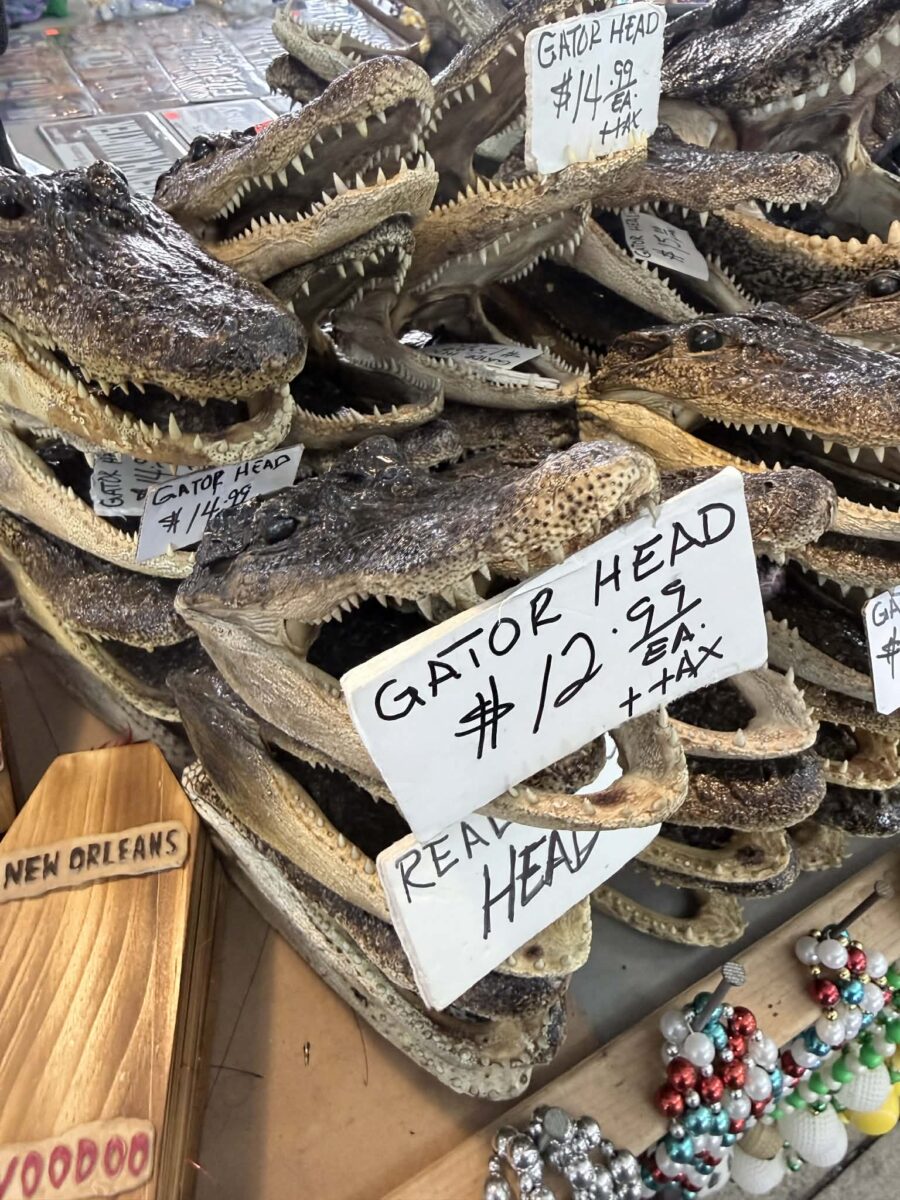
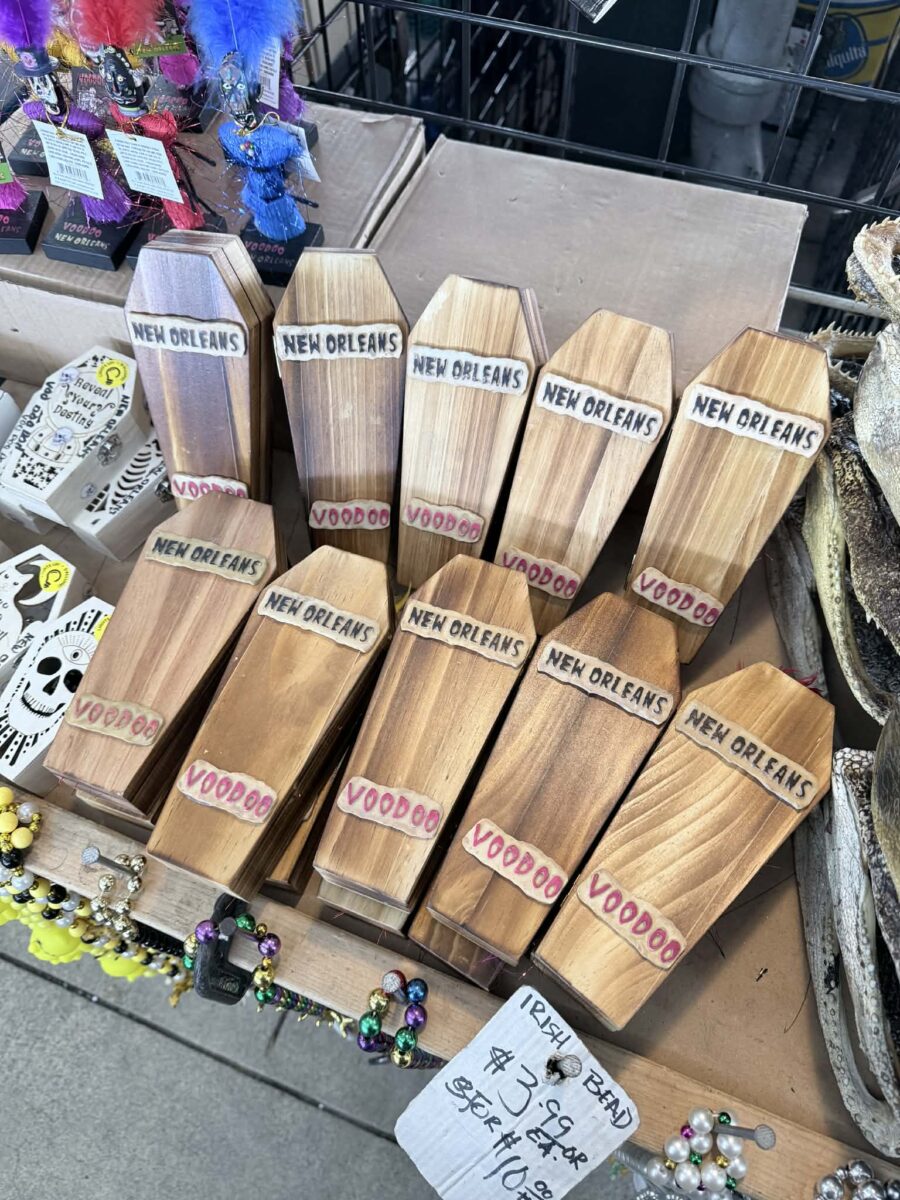
Handmade Crafts and Souvenirs
Beyond food, the French Market is known for its collection of local crafts, art, and souvenirs. Many vendors sell:
- Handmade jewelry and accessories
- Local artwork and prints
- Louisiana-themed gifts
- Spices, hot sauces, and pralines
Unlike generic souvenir shops, many stalls are run by local artisans, making the market a place to support small businesses while finding something truly unique.
A Social Space, Not Just a Marketplace
Historically, the French Market was as much about conversation as commerce. That tradition continues today. Musicians often play nearby, street performers pass through, and locals stop to chat with vendors they’ve known for years.
You’ll see:
- Tourists discovering New Orleans flavors for the first time
- Locals grabbing lunch or coffee
- Musicians setting up along the edges
- Families strolling in no particular hurry
This mix of people gives the French Market its energy. It’s not curated or polished—it’s alive.
The Flea Market Section
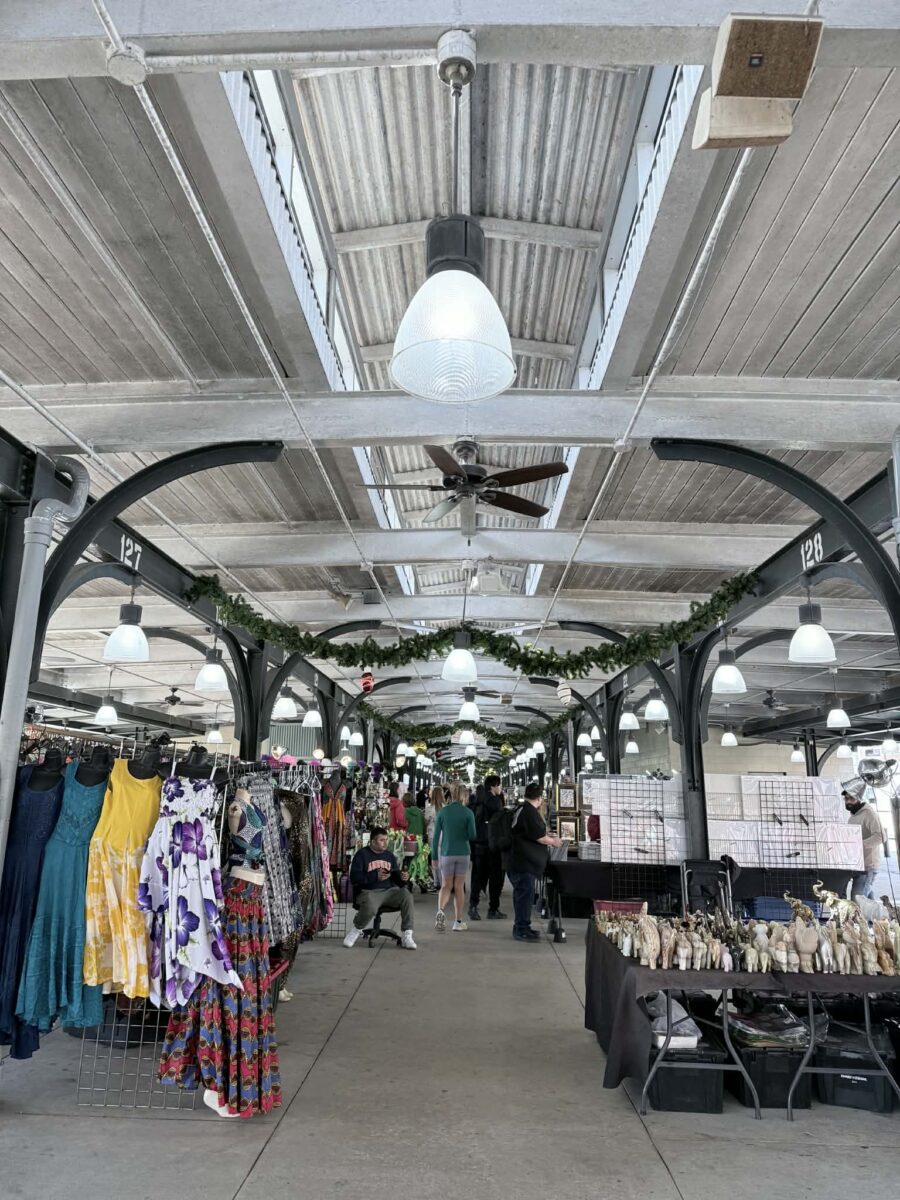
One of the most popular areas is the French Market Flea Market, where rows of stalls sell affordable souvenirs, handmade items, and novelty goods. This section is especially busy on weekends and during festivals.
It’s the ideal place to browse casually, negotiate prices, and stumble upon unexpected finds. The flea market atmosphere adds to the sense that the French Market is about discovery rather than efficiency.
Architecture and Atmosphere
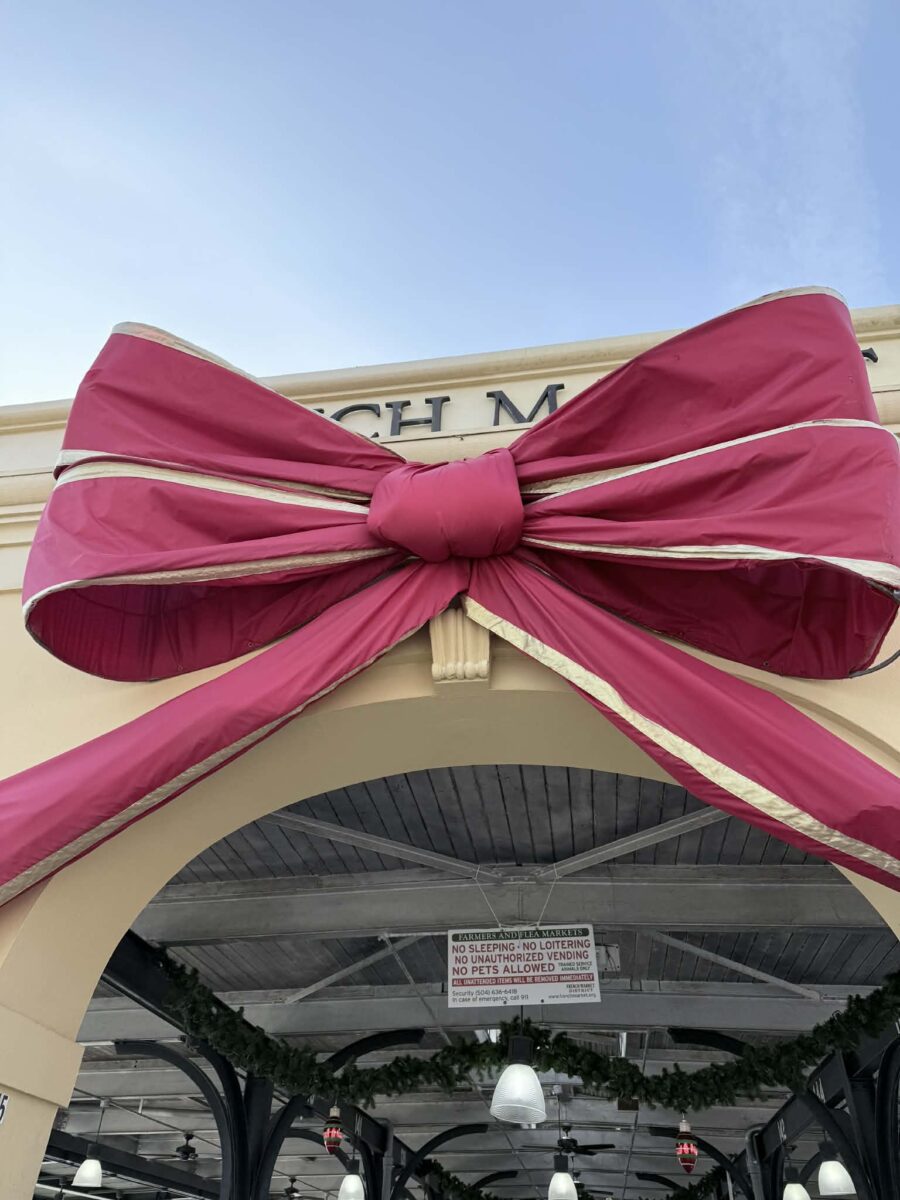
The market’s open sheds and covered walkways create a relaxed, informal setting. Unlike enclosed malls or modern food halls, the French Market feels porous and connected to its surroundings. You can see the river in the distance, hear the sounds of the Quarter, and feel the weather change as you move through.
This openness is part of its charm—and part of its authenticity.
Best Times to Visit the New Orleans French Market
- Morning: Quieter, cooler, and ideal for browsing
- Midday: Lively with lunch crowds and musicians
- Evening: Especially atmospheric when nearby bars and restaurants come alive
Weekends tend to be busier, while weekdays offer a more relaxed pace. Visiting earlier in the day can help avoid crowds and heat.
Why the French Market Still Matter
In a city that has changed dramatically over the centuries, the New Orleans French Market remains a constant. It continues to serve as a place where commerce, culture, and community intersect.
The market tells the story of New Orleans not through plaques or exhibits, but through daily life—through food cooked on-site, goods exchanged hand to hand, and conversations that unfold naturally.
It reminds visitors that New Orleans is not just something to observe; it’s something to participate in.
Experiencing the Soul of New Orleans
A visit to the New Orleans French Market offers a snapshot of the city at its most honest. It’s noisy, imperfect, diverse, and deeply rooted in tradition. You come for the food or souvenirs, but you leave with a better understanding of how the city has always worked—through exchange, creativity, and connection.
To walk through the French Market is to walk through history that’s still being made, one transaction and one conversation at a time.