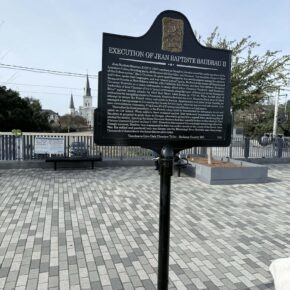
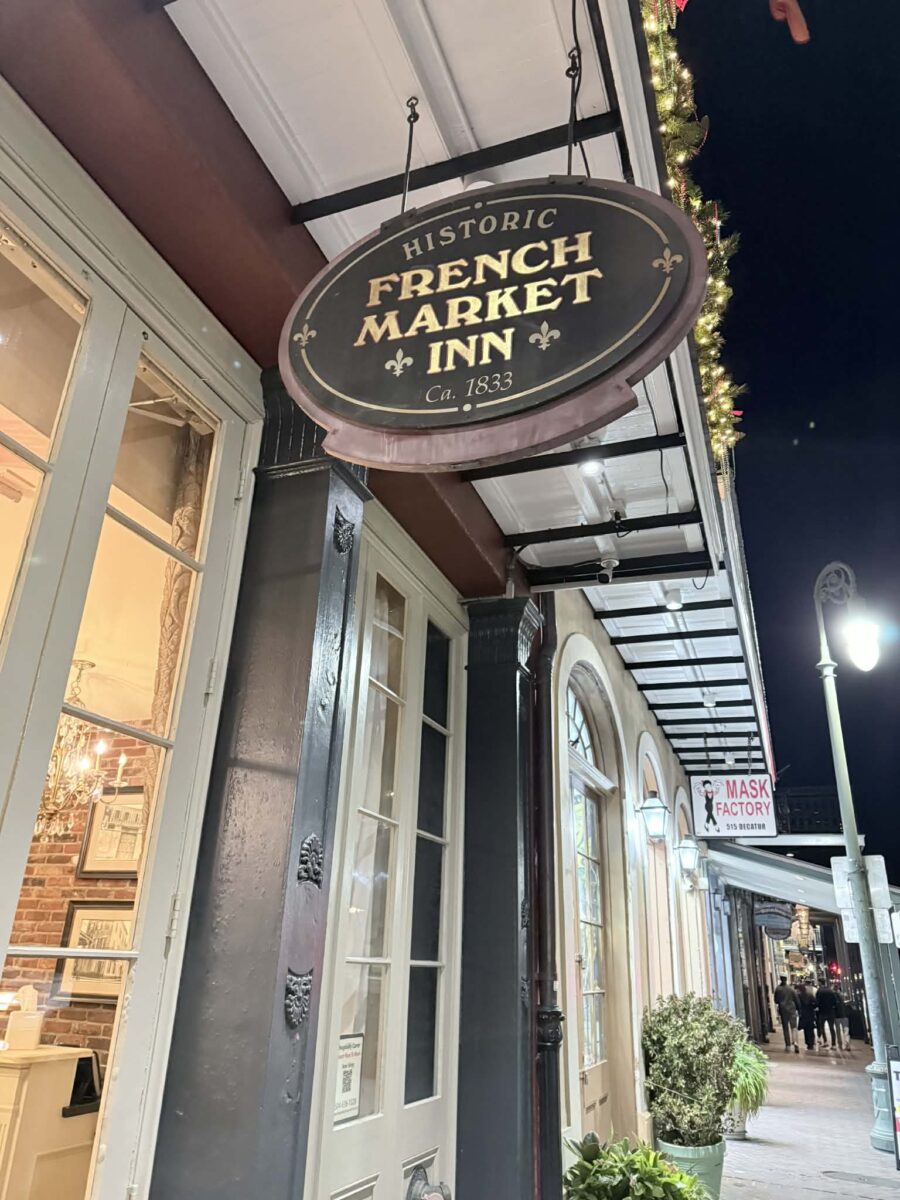
Bourbon Street is more than just a famous road in New Orleans—it is a living symbol of the city’s history, culture, contradictions, and unmistakable rhythm. Stretching roughly thirteen blocks through the heart of the French Quarter, Bourbon Street has evolved over centuries from a colonial thoroughfare into one of the most recognizable streets in the world. Whether celebrated for its music, criticized for its excesses, or admired for its resilience, Bourbon Street continues to capture the imagination of locals and visitors alike.
A Street Born of History
Bourbon Street dates back to 1718, when New Orleans was founded by the French. Named after France’s ruling Bourbon dynasty, the street originally served as a residential and commercial corridor. Over time, Spanish rule, devastating fires, and rebuilding efforts shaped its architecture, giving rise to the iconic stucco walls, arched doorways, and wrought-iron balconies that define the French Quarter today. Long before it became synonymous with nightlife, Bourbon Street was home to merchants, craftsmen, and families whose lives formed the foundation of the city.
The Rise of Entertainment and Nightlife
By the early 20th century, Bourbon Street began transforming into an entertainment district. Jazz, born in New Orleans, spilled out of clubs and dance halls, blending African rhythms, blues, brass band traditions, and European musical forms. Prohibition further reshaped the street’s identity, as speakeasies and underground bars flourished behind unassuming façades. When alcohol was legalized again, Bourbon Street fully embraced its reputation as a place of indulgence, music, and late-night revelry.
Music at the Core
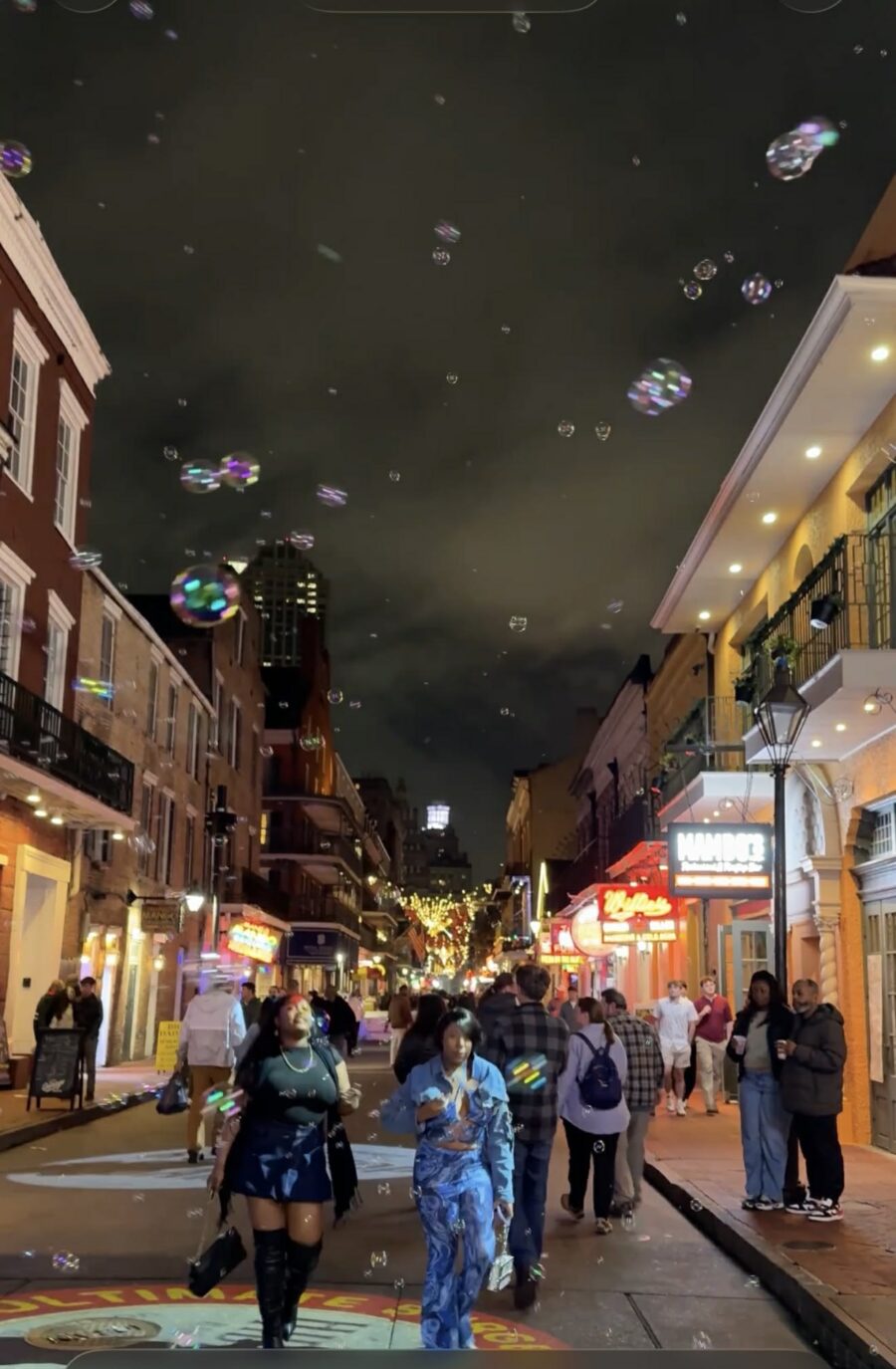
Music remains the soul of Bourbon Street. From traditional jazz and brass bands to blues, rock, and modern pop, live performances echo from nearly every doorway. Legendary venues have hosted generations of musicians, contributing to New Orleans’ reputation as one of the world’s great music cities. Even amid the noise and crowds, moments of authentic musical brilliance remind visitors that Bourbon Street’s roots are deeply artistic, not merely commercial.
Mardi Gras and Global Fame
Bourbon Street’s global fame is inseparable from Mardi Gras. Each year, the street becomes a focal point of celebration, overflowing with parades, beads, costumes, and an electric sense of freedom. What happens on Bourbon Street during Carnival season has become part of popular culture, reinforcing its image as a place where social rules loosen and expression reigns. Yet Mardi Gras also highlights the city’s traditions, community pride, and cultural continuity—values that extend far beyond the party atmosphere.
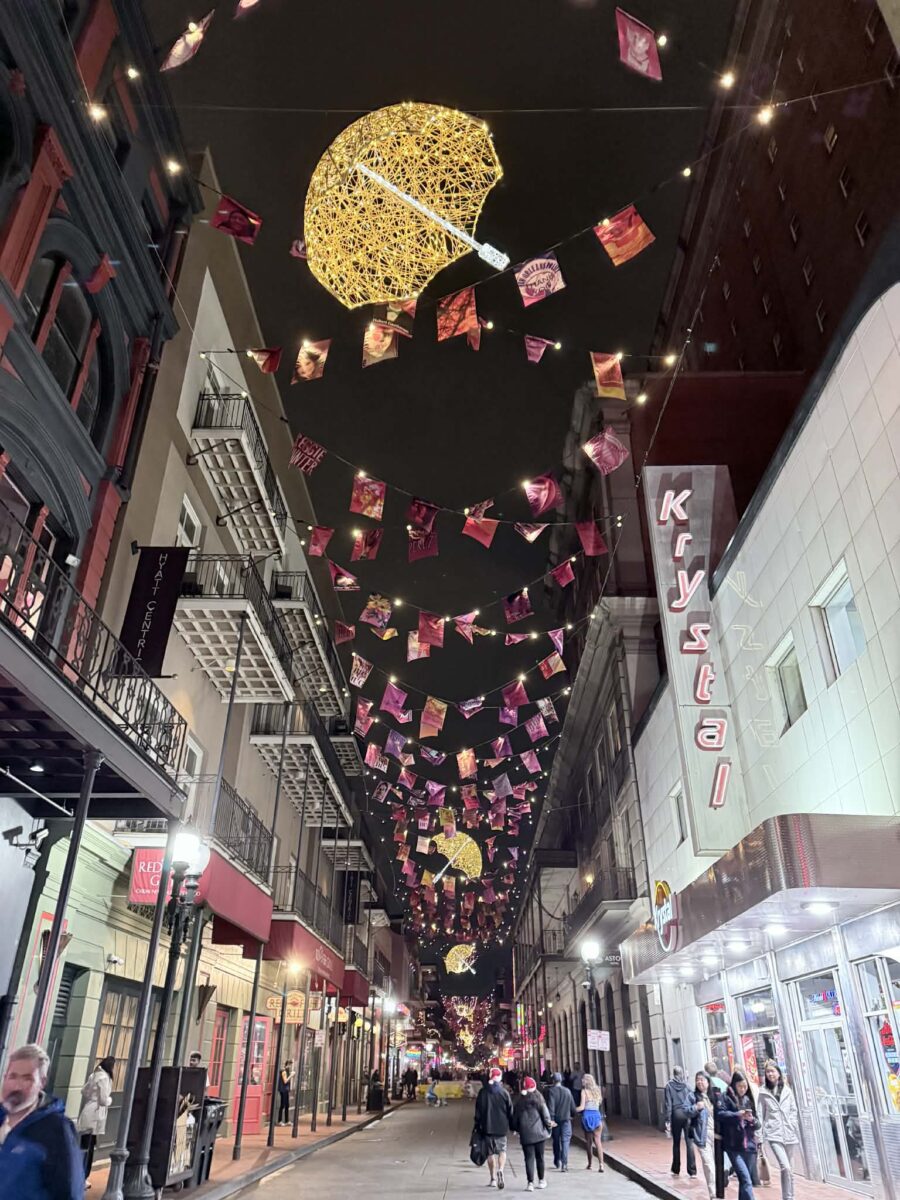
A Street of Contrasts
Despite its reputation for excess, Bourbon Street is a study in contrasts. By day, it reveals quieter layers: historic buildings, tucked-away courtyards, small museums, and traces of everyday life in the French Quarter. Early mornings show sanitation crews restoring order, café doors opening, and musicians setting up for another night. This cycle—chaos and calm, spectacle and routine—defines the street’s unique character.
Criticism, Change, and Resilience
Bourbon Street has long faced criticism for commercialization, overcrowding, and rowdy behavior. City leaders and residents continue to debate how to balance tourism with quality of life. At the same time, the street has proven remarkably resilient. It has endured fires, floods, economic downturns, and hurricanes—most notably Hurricane Katrina—emerging each time as a symbol of New Orleans’ determination to survive and rebuild.
What Bourbon Street Represents Today
Today, Bourbon Street is both a destination and a metaphor. It represents celebration, excess, creativity, and contradiction—all core elements of New Orleans itself. For some, it is a once-in-a-lifetime party; for others, it is a reminder of the city’s complex relationship with tourism and identity. Love it or hate it, Bourbon Street cannot be ignored.
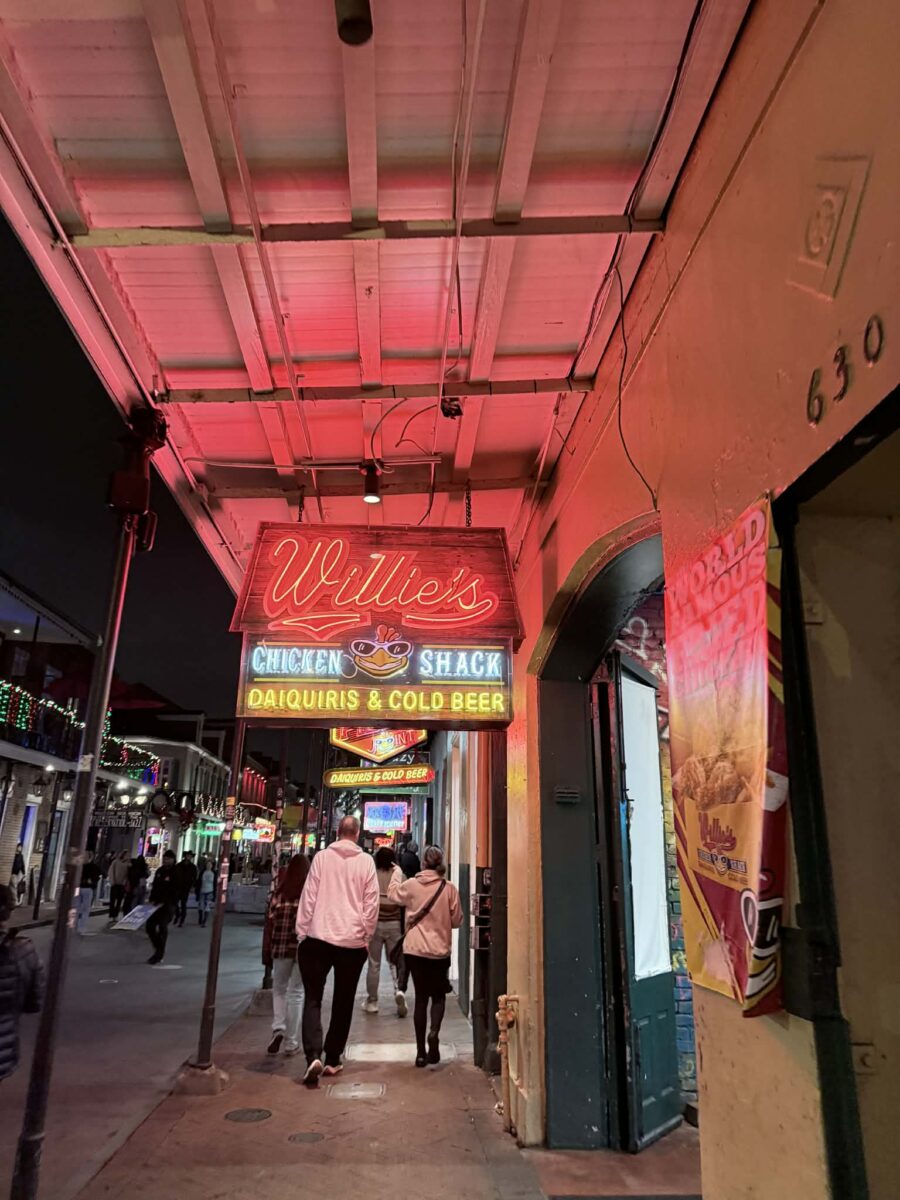
Bourbon Street is not the entirety of New Orleans, but it is undeniably one of its loudest and most visible voices. To truly understand it, one must look beyond the neon lights and crowded bars to see the layers of history, music, and human experience embedded in its stones. In doing so, Bourbon Street reveals itself not just as a place to visit, but as a reflection of a city that lives boldly, feels deeply, and refuses to be ordinary.
Watch the short video I took from Bourbon Street here.