
Whenever you hear a non-native English speaker, a Filipino specifically, uttering broken “carabao” English, or a version you are not used to hearing, please reserve your criticism. Enterta...
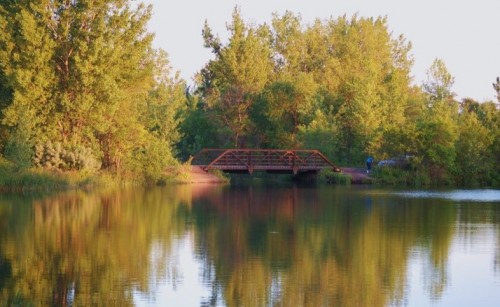
“Each second, the leaves shiver at every passing breeze, a little too afraid that they might shake off from their tight cling. Every day is a decision for them to either stay on top or to let go. Ever...
Cha-cha has come out in the news again. Charter change, that is. Opposing Philippine politicians are in a brawl once more, debating the need to shift from a presidential, bicameral system to a unicame...
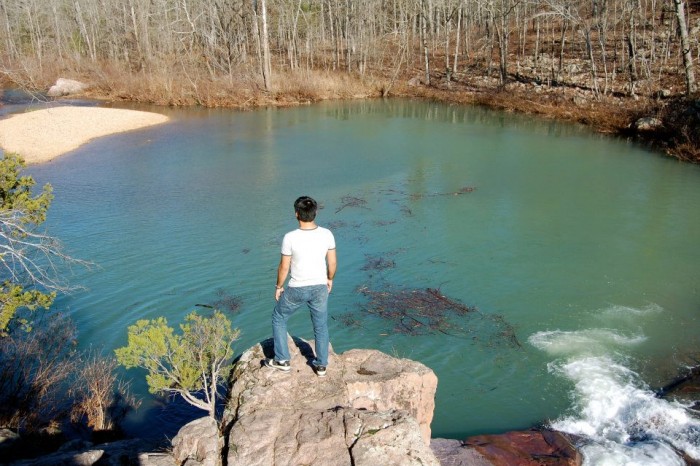
Dreaming is my constant companion. It has caused countless unexpected things to come my way, including my being a US neophyte and appreciating the scores of stuff most of my countrymen love about Uncl...
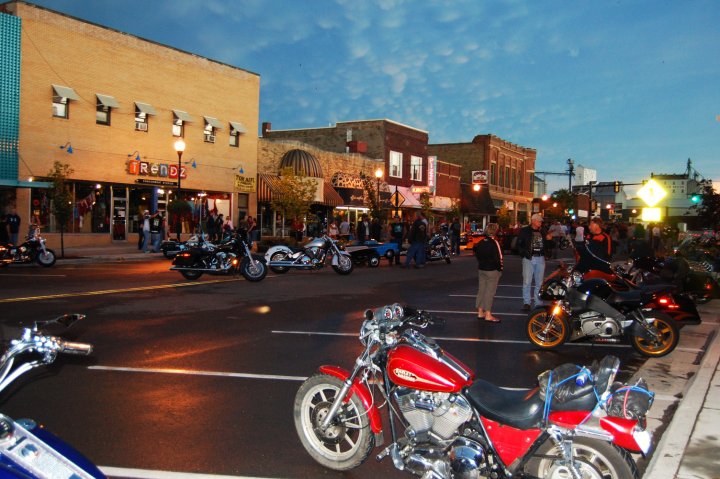
Friday blackness. That is how it is this very moment. Interstate 90 looks like one of those highways in horror movies where creatures drop dead from the skies and into your windshield. The absence of ...